


An evaporative cooling system, commonly known as “evaps,” is a popular, energy-efficient way to stay cool in Australia’s hotter months. Especially when used alongside ceiling or pedestal fans, they provide excellent airflow, especially when the filter pads are clean and well-maintained. while consuming far less energy than traditional air conditioners.
However, to keep them running at peak performance and maintain clean, healthy air, these systems need regular water dumping cycles to effectively bleed off stale water . If you’ve noticed your evap releasing water and wondered if that’s normal—or how often should evaporative cooler dump water—it should be happening—this guide is for you.
We’ll explain why evaporative coolers dump water, how often they should do it, and how to monitor your system efficiently and when to fill i without wasting water.
Why Do Evaporative Coolers Dump Water?
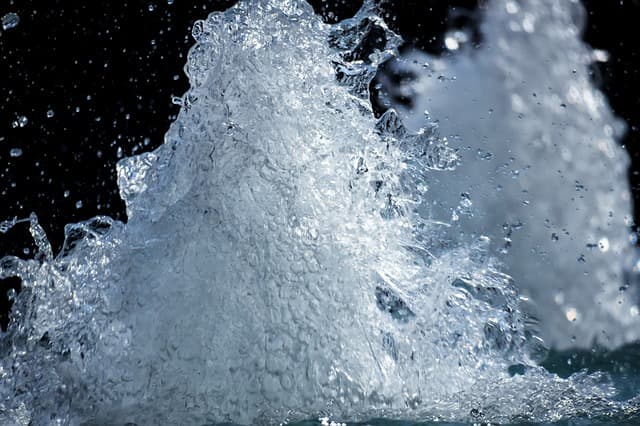
Water dumping—also called a purge cycle—is a key maintenance process that helps your unit stay clean and run at peak efficiency. It involves draining some or all of the water from the tank and refilling it with fresh water from a reliable water supply . Here’s why that matters:
- Hygiene and Health: Stagnant water is a breeding ground for mould, algae, and bacteria. Regular dumping keeps the water clean and the airflow healthy.
- Mineral Build-Up Prevention: Much of Australia has hard water, especially in regional areas. Minerals like calcium and magnesium can accumulate and clog the pads, pump, or pipes.
- Odour Control: If the water sits too long, it can start to smell musty. Dumping water flushes out the source of bad odours.
- Improved Cooling Performance: Clean water allows for better evaporation, giving you cooler, fresher air without overworking the system.
What Affects How Often Your Evap Dumps Water?
There’s no one-size-fits-all answer—it depends on several factors, such as air con systems and their specification:
- Water Quality: Harder water = more frequent dumps to reduce mineral build-up.
- System Model: Newer systems have auto-dump valves or sensors, while older ones may need manual draining.
- Climate: Hot, dry regions mean more frequent use—and more frequent purging.
- Usage Habits: Daily summer use requires more frequent dumps than occasional use.
- Maintenance & Settings: Well-maintained systems and adjustable purge settings can influence dumping frequency.
Typical Dumping Frequency in Australian Homes
For most residential systems, a good general guide is:
- Every 6–8 hours of continuous use
- At least once daily during hot weather or heavy usage
- After a specific volume of water has circulated (varies by brand)
Modern systems manage this process automatically with smart timers or sensors, balancing hygiene with water efficiency and ensuring optimal power consumption. , which can lead to lower water bills . Always check your user manual for brand-specific details.
Manual vs Automatic Dumping Systems
Manual Systems
These are common in older or budget-friendly models. You’ll need to open a valve or tap to drain the tank yourself.
Pros:
- Low upfront cost
- Full control over when water is dumped
Cons:
- Easy to forget
- Requires regular attention
- Increased risk of scale or bacteria if neglected
Automatic Systems
Newer units often come with automatic purge functions that drain water at set intervals or after a certain operating time to fill the tank with fresh water .
Pros:
- Convenient, hands-off maintenance
- Promotes consistent hygiene
- Optimises water use over time
Cons:
- Can use more water if not calibrated properly
- Higher upfront cost
Risks of Infrequent or Disabled Water Dumping
Neglecting to dump water regularly can lead to:
- Scale and Mineral Buildup: This affects the pads, pipes, and internal components, reducing performance.
- Bacterial and Algal Growth: Stagnant water can compromise your indoor air quality.
- Foul Odours: A telltale sign that your water needs replacing.
- Decreased Cooling Efficiency: Dirty components = less effective cooling.
- Costly Repairs: Blocked pumps and corroded valves lead to higher servicing bills.
Tips to Minimise Water Waste While Maintaining Performance
Evaporators don’t have to guzzle water to stay efficient. Here are a few ways to optimise usage, including ensuring that the water can evaporate efficiently while maintaining your filter pads:
- Customise Dump Intervals: If your system allows it, adjust purge settings based on usage and water quality.
- Install a Timer-Controlled Dump Valve: These allow you to schedule drain cycles more precisely.
- Schedule Seasonal Servicing: A pre-summer check-up ensures your unit runs efficiently when you need it most.
- Use Filtered Water (if possible): Reduces mineral deposits and may extend time between dumps.
- Watch for Signs of Over-Dumping: Constant draining or leaks may signal a malfunction.
When to Call a Technician
Some issues require professional help, such as:
- Excessive Water Dumping: Could indicate a faulty valve, malfunctioning timer, or control board issue.
- Persistent Smells: Often linked to algae or mould inside the tank or pads.
- Unusual Water Usage or Leaks: These should be addressed immediately to avoid water waste or damage.
- Upgrading Controls: Licensed technicians can install a dump valve or smart controller to help manage your water use better.
FAQs
How often should an evaporative cooler dump water in Australia?
Typically, every 6–8 hours of use or once per day during summer. Refer to your system’s manual for precise guidance.
How much water is released during a dump cycle?
Anywhere from 5 to 15 litres, depending on tank size and model.
Is it normal for an evap to leak water?
Some water discharge from the drain pipe is normal. Continuous dripping or pooling may indicate a leak or blockage.
How often do you refill an evaporative cooler?
Units connected to mains water refill automatically. Portable units may need topping up every few hours in hot weather.
Why does my evap dump water?
To remove stale water, flush minerals, and prevent bacterial growth, it’s essential to bleed off old water for clean airflow and system longevity.
How do I manually drain my system?
Locate the drain valve (usually at the base), switch off the unit, and open the valve to empty the tank. Always follow the manufacturer’s instructions.
Do evaporative coolers waste water?
Evaporative coolers do not waste water when used correctly, especially when they work effectively to cool hot air. Regular purging is necessary for hygiene, and modern systems are designed to be as water-efficient as possible.
Final Thoughts
Water dumping might seem wasteful at first glance, but it’s essential for keeping your evap clean, safe, and running efficiently while managing moisture levels. Whether manual or automatic, routine water replacement helps prevent health issues, bad smells, and mechanical problems.
To get the most out of your system, follow your manufacturer’s advice, service it regularly, and tweak settings where possible to suit your local conditions, including those specific to the northern suburbs. And when in doubt, call in a licensed technician for expert support.
By staying on top of maintenance, Australian households can enjoy cool, fresh air all summer—without wasting a single unnecessary drop.

Loading...