

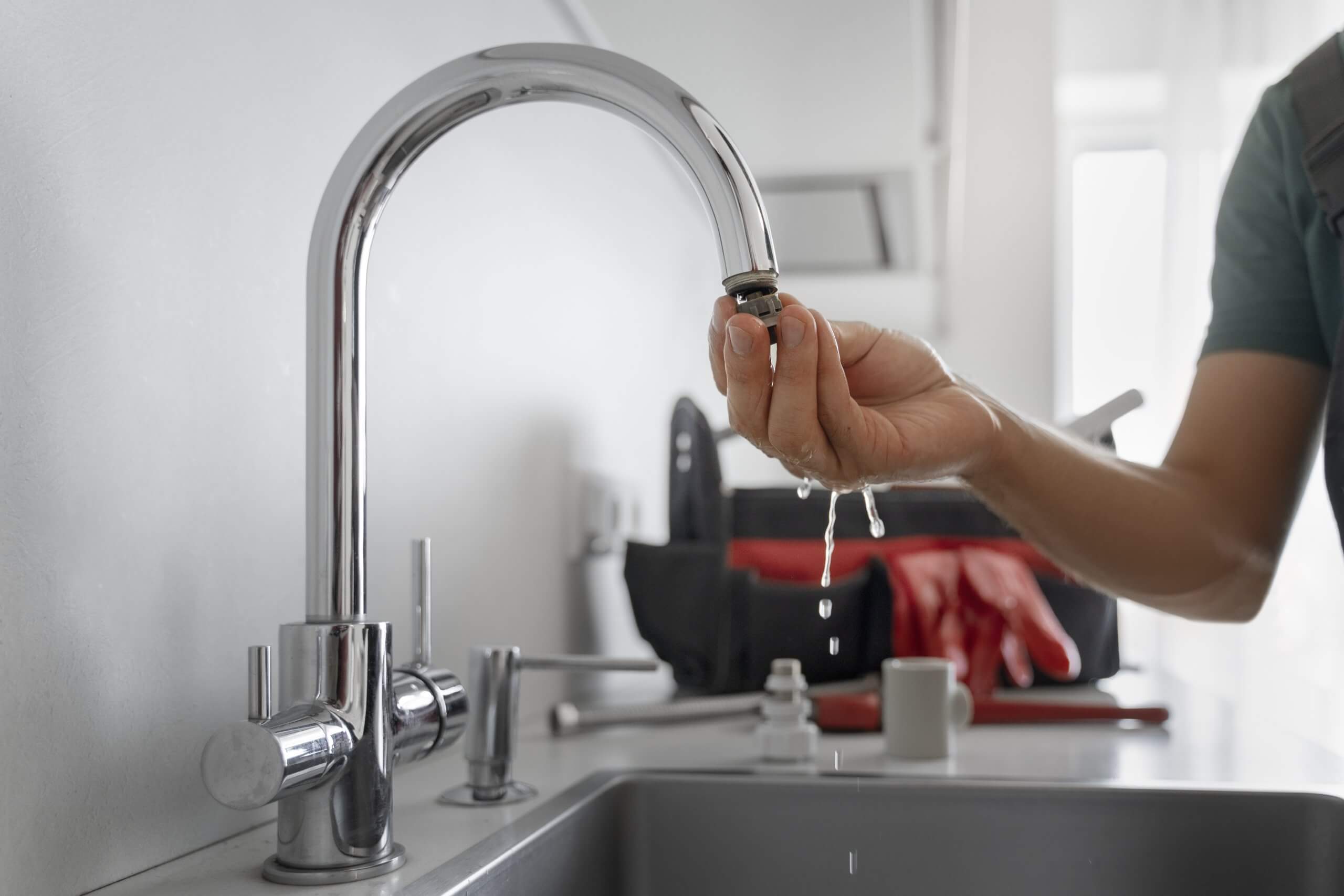
Ensuring the safety and quality of our water supply is a top priority for homes, businesses, and public facilities across Australia. One of the key measures taken to protect drinking water from contamination is backflow prevention. Backflow testing plays a vital role in verifying that backflow prevention devices are functioning correctly and safeguarding against the risk of polluted water re-entering the mains supply. In this guide, we’ll explore what backflow is, why it’s a serious concern, how backflow testing works, and why regular testing is crucial for maintaining a safe and compliant plumbing system.
Understanding Backflow and Why It’s a Problem
Backflow is the unwanted reverse flow of water or other liquids into the water supply system. It occurs when the pressure in a property’s water system drops or becomes inconsistent, allowing contaminated water to flow back into the main supply lines. This can happen in various situations, such as during a water main break or when there is a sudden surge in pressure, potentially impacting the water service significantly .
The problem with backflow is that it can introduce harmful substances—such as bacteria, chemicals, sewage, or other pollutants—into the water system. If this contaminated water enters the drinking water supply, it can pose significant health risks. The presence of these contaminants in drinking water can lead to severe illnesses, including gastrointestinal infections and more. As such, backflow presents a major risk to public health and safety, which can endanger health making it essential to prevent and control.
In addition to the health implications, backflow can also cause damage to the plumbing infrastructure, resulting in costly repairs and potential water contamination incidents. This is why backflow prevention testing and regular maintenance testing are vital for maintaining safe and clean water for everyone, in accordance with backflow requirements .
What Is Backflow Testing?
Backflow testing is the process of ensuring that the backflow prevention devices installed in a property’s plumbing system are functioning correctly. These testable backflow prevention devices, such as Reduced Pressure Zone (RPZ) valves or double check valves, are designed to prevent contaminated water from flowing back into the clean water supply. Backflow testing involves inspecting and testing these devices to confirm they are in proper working order and capable of performing their protective function.
Licensed plumbers or certified backflow testing specialists typically conduct the tests. The testing process involves simulating backflow conditions to check if the prevention device is able to stop the reverse flow of water. Depending on the outcome, the device may need maintenance, repair, or replacement, which should be conducted by a licensed plumbing contractor to ensure its efficiency.
In Australia, backflow testing is not just a precaution but often a legal requirement enforced by the queensland government . The frequency of testing depends on the type of property and its risk level, with high-risk properties being required to undergo testing more regularly.
Where Backflow Can Occur on a Property
Backflow can occur in a variety of locations throughout a property, with some areas being more susceptible than others. Common risk areas for backflow include:
Irrigation Systems:
If irrigation systems are connected to the mains water supply, there is a risk that contaminated water from the garden or sprinklers could flow back into the clean water supply. This is especially true if fertilisers or pesticides are used in the garden, which are often in high demand for effective gardening .
Commercial Kitchens:
In businesses such as restaurants or cafes, where large amounts of hot water are used for cleaning or food preparation, backflow can occur if there is a drop in water pressure. This can lead to contamination from detergents or food waste entering the water service and subsequently affecting public health.
Industrial Sites:
In industrial settings, backflow can happen when machinery or equipment is connected to the water system. Chemicals or oils used in manufacturing processes, as well as those required for fire services, could potentially flow back into the clean water supply if backflow prevention is not in place.
High-Risk Zones:
Local councils and water authorities often identify areas as high-risk, which may include properties that deal with chemicals, medical waste, or certain agricultural operations. These properties are more likely to require backflow prevention and testing as part of plumbing and drainage regulations to determine that any contaminants are not introduced into the water system.
Who Needs Backflow Testing in Australia?
In Australia, certain property types and industries are required by law to conduct backflow testing on a regular basis. The Australian standards for backflow prevention and testing are outlined in AS/NZS 3500.1, which specifies when and how testing should be carried out.
Common property types, including medium risk properties, and businesses that need backflow testing include:
Schools and Universities:
Educational institutions, especially those with large facilities or extensive irrigation systems, are at higher risk of backflow and must ensure their backflow prevention systems are installed and regularly tested.
Restaurants and Cafes:
These businesses, which often use large amounts of water for food preparation and cleaning, are required to test their backflow prevention devices to avoid contamination of the water supply.Medical Facilities: Hospitals, clinics, and dental practices often use various chemicals and water for sterilisation purposes, making them more susceptible to backflow. Testing is essential to ensure these harmful substances do not pollute the water supply, with compliance to regulations being documented in test reports .
Industrial Sites:
Businesses that use water in manufacturing processes or have complex plumbing systems need to test their backflow prevention systems to avoid contaminating the public water supply, especially under higher pressure scenarios .
Residential Properties with High-Risk Features:
In some cases, residential properties with certain plumbing features—such as irrigation systems, swimming pools, or chemical storage areas—may be required to have backflow testing to ensure the integrity of the water supply system .
Local councils or water authorities usually set the specific requirements for backflow testing, so property owners should consult their local guidelines to ensure compliance with regulations.
How the Backflow Testing Process Works
The backflow testing process is typically conducted by licensed plumbers who have the necessary training and certification to perform this specialised task. The process involves the following steps:
Initial Inspection:
The plumber inspects the backflow prevention device to ensure it is correctly installed and in good condition.
Simulating Backflow Conditions:
The plumber will simulate backflow conditions by creating a pressure drop in the system. This tests the device’s ability to prevent backflow under real-world conditions.
Testing the Device:
Using specialised equipment, the plumber tests the backflow prevention device to check if it’s functioning correctly. This involves measuring water pressure at different points to ensure that the device is operating as designed.
Recording Results:
The results of the test are documented, with a report detailing the performance of the device and any issues found. If the device is not working as expected, the plumber may recommend repairs or replacement.
Certification:
If the device passes the test, the plumber will issue a certification, which serves as a certificate of compliance, confirming that the device’s primary function is to prevent backflow.
It is important to note that testing results must be submitted to local authorities or water suppliers to maintain compliance and avoid penalties.
Types of Backflow Prevention Devices
There are several types of backflow prevention devices, each suited to different levels of risk and property requirements. Commonly used devices include:
Reduced Pressure Zone (RPZ) Valve:
The RPZ valve and the double check detector assembly are among the most effective backflow prevention devices, typically used in high-risk areas, such as hospitals or large commercial kitchens. It is designed to shut off water flow if the pressure drops, preventing backflow from entering the clean water supply.
Double Check Valve Assembly (DCVA):
This device consists of two check valves that prevent backflow by automatically closing when the pressure drops. It is typically used in moderate-risk areas, such as restaurants or irrigation systems.
Air Gap:
An air gap is a physical separation between the water supply and a non-potable source, such as a drain or irrigation system. It is commonly used in low-risk settings, such as residential properties.
The type of backflow prevention device used depends on the property’s risk rating, which is determined by the local water authority or council.
How Often Should Backflow Testing Be Done?
The frequency of backflow testing depends on the level of risk associated with the property and local council or water authority requirements. In general, properties with higher risk—such as commercial kitchens, medical facilities, and industrial sites—should have backflow prevention testing conducted through annual testing or every two years, ensuring that backflow test reports are regularly updated .
For residential properties with low risk, testing may be required less frequently, such as every three to five years. However, certain local councils may have specific requirements based on the local water supply’s vulnerability to contamination.
Testing may also be triggered if there are changes in the plumbing system, such as renovations or new connections, or if there is a failure or malfunction in the backflow prevention device.
What Happens If a Property Fails Backflow Testing, particularly following an improper installation ?
If a property fails backflow testing, the property owner is typically required to take immediate action to rectify the issue. Common next steps to address a backflow incident include implementing repairs or replacements as necessary.
Repairs or Replacements:
If the backflow prevention device is malfunctioning or broken, it will need to be repaired or replaced. A licensed plumber can make the necessary adjustments or install a new device.
Re-testing:
After repairs or replacements have been completed, the backflow prevention device must undergo re-testing to ensure it is working correctly.
Failure to comply with backflow regulations concerning drainage an result in significant penalties, including fines or disconnection notices. For businesses, non-compliance may lead to operational disruptions, especially if water supply is cut off.
Frequently Asked Questions (FAQs)
What is the purpose of a backflow test?
The purpose of a backflow test is to ensure that the backflow prevention device is functioning correctly, preventing contaminated water from flowing back into the clean water supply.What happens if a backflow test fails?
If a backflow test fails, the backflow prevention device will need to be repaired or replaced, and the property will need to undergo re-testing to ensure compliance.How do you know if you have a backflow problem?
Signs of a backflow problem may include discoloured water, a strange taste or smell in the water, or low water pressure. In some cases, backflow may be detected during routine testing.How often should backflow testing be done?
The frequency of backflow testing depends on the risk level of the property. High-risk properties should be tested annually, while low-risk properties may only require testing every three to five years.What is a backflow test?
A backflow test is a process of checking the functionality of a backflow prevention device to ensure it is preventing contaminated water from entering the clean water supply.What is the Australian standard for backflow?
The Australian standard for backflow prevention and testing is outlined in AS/NZS 3500.1, which specifies the requirements for the installation, testing, and maintenance of backflow prevention devices.How often should backflow be tested?
Backflow testing should be done annually or according to local regulations, with the frequency depending on the property’s risk rating and use.What happens if you don’t get your backflow tested?
Failure to conduct backflow testing can result in contamination of the water supply, health risks, potential fines, and disruption of water services. Compliance with backflow regulations is crucial for both health and legal reasons.