


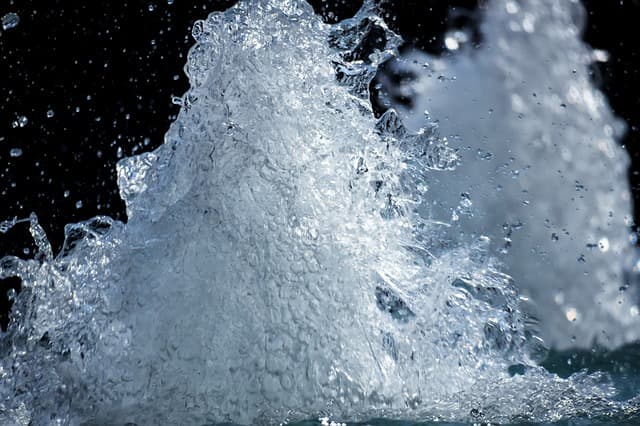
Waterproofing is one of the most crucial, yet often overlooked, components of any building project in Australia. Whether it’s a new build or a home renovation, the role of a professional waterproofer is vital in maintaining the integrity, safety, and liveability of a structure.
In this comprehensive guide on our website , we’ll take a close look at what waterproofers do, the tools and skills they use, and when it’s essential to hire a licensed expert for the job.
The Purpose of Waterproofing in Buildings
Waterproofing serves as the first line of defence against moisture penetration and infiltration in buildings to prevent water damage . In the Australian climate—ranging from tropical downpours in the north to seasonal storms in the south—effective waterproofing is critical for preserving the structural integrity of both residential and commercial properties.
Without proper waterproofing, buildings are at risk of issues such as:
- Water ingress, where water seeps through surfaces like walls or floors;
- Damp, leading to deterioration of materials like plasterboard or timber;
- Mould and mildew, which pose health risks to occupants and can be costly to remediate.
Proper waterproofing prevents these issues from developing, prolonging the lifespan of buildings while also preventing expensive damage and contributing to energy efficiency and occupant comfort.
What a Waterproofer Is Responsible For
A waterproofer’s main responsibility is to make sure that certain areas, such as the shower area, of a building are completely resistant to water penetration. Their tasks typically include:
- Inspecting and assessing surfaces to identify risk areas;
- Preparing substrates through cleaning, priming, or smoothing out cracks;
- Applying waterproofing membranes or coatings, depending on the application area;
- Testing sealed areas to ensure compliance with performance requirements.
Waterproofers may work across a wide range of settings such as preventing leaks :
- Bathrooms and wet areas;
- Rooftops and balconies;
- Basements and retaining walls;
- Plant rooms, lift pits, and external decks.
Each area presents unique challenges in terms of drainage, exposure to weather, and surface compatibility.
Common Areas That Require Waterproofing
In Australian homes and buildings, waterproofing is typically applied to during the process of renovating :
- Interior wet zones: bathrooms, laundries, ensuites, and wet rooms;
- External areas: balconies, terraces, flat roofs, planter boxes, and retaining walls;
- Subterranean structures: basements and foundations.
Australian Standards (notably AS 3740 for internal wet areas and AS 4654 for external above-ground applications) dictate the minimum requirements for waterproofing agent and products in both new builds and renovations. These standards are referenced in the National Construction Code (NCC) and must be strictly followed to ensure compliance, especially when obtaining occupancy permits or dealing with insurance claims.
Types of Waterproofing Methods and Materials
There is no one-size-fits-all solution when it comes to waterproofing. Professionals select materials and methods based on the building surface, knowing that waterproofing involves applying specific techniques based on the level of exposure to moisture, and the building’s design.
Common methods include applying a liquid membrane, along with silicone:
- Liquid membranes: applied by brush, roller, or spray, forming a seamless, flexible layer;
- Sheet systems: such as torch-on bitumen or PVC sheets, which are excellent for larger flat areas;
- Sealants and joint fillers: used in expansion joints and corners;
- Cementitious coatings: often applied to areas like water tanks or pools.
Choosing the right method is crucial. For example, a rooftop may require a UV-resistant membrane, while a bathroom might need a waterproofing system that accommodates tile adhesives and grouts.
Tools and Skills Used by a Professional Waterproofer
Waterproofers use a range of tools and materials, including a coating of polyurethane, to ensure a proper finish. These may include:
- Priming tools, rollers, and brushes;
- Caulking guns for sealants;
- Heat guns or torches (for sheet systems);
- Trowels and knives for cementitious products;
- Moisture meters and test plugs for inspections.
Beyond the tools, successful waterproofers possess a strong attention to detail, a clear understanding of drainage requirements, and solid knowledge of building substrates. They must also know how to work around plumbing penetrations, tiling, and complex architectural details.
How a Waterproofer Works with Other Trades
Waterproofers rarely work in isolation. In both new construction and renovation projects, timing and collaboration are key. They typically work alongside other trades, ensuring that floors are adequately waterproofed :
- Builders – to ensure surfaces are ready for waterproofing;
- Plumbers – for pipe penetrations and wet area layouts;
- Tilers and painters – to coordinate follow-up finishing work.
Effective sequencing is crucial. For instance, waterproofing needs to be completed and cured before tilers can begin, but not before all plumbing rough-ins are installed. Miscommunication between trades can lead to project delays or costly rework.
When to Hire a Licensed Waterproofer in Australia
In many Australian states, waterproofing work must be carried out by a licensed contractor to ensure the areas remain watertight —especially in high-risk areas like the entire bathroom floor or balconies. Situations where hiring a licensed waterproofer is necessary include:
- Bathroom renovations;
- Leaking balconies or rooftops;
- New builds that must meet NCC/BCA waterproofing standards;
- Compliance-driven work, such as rectification after building inspections.
Each state and territory has different licensing requirements that can affect the cost . For example, in New South Wales, all waterproofing work over a certain value must be done by a licensed professional. In Queensland, licensed waterproofers must be registered with the QBCC.
Waterproofing Certification and Warranties
A professional waterproofing job in Australia should always be accompanied by free warranties :
- A certificate of compliance, showing the work meets Australian Standards;
- Manufacturer warranties on products used;
- Installation warranties from the applicator, usually ranging from 7 to 10 years;
- Council approval, if waterproofing is part of a larger building or renovation permit.
These documents protect property owners and builders from liability issues down the track and are often essential for resale or insurance purposes.
Frequently Asked Questions (FAQs)
What are the duties of a waterproofer?
To ensure quality, waterproofers, as a qualified professional, are responsible for assessing surfaces, preparing them, and applying waterproofing systems, often involving chemicals, to prevent water ingress. They ensure compliance with building codes and work closely with other trades during construction or renovation.
Is waterproofing a hard trade?
Yes, it can be physically demanding and requires precision. The trade also involves understanding building science, reading plans, and staying up to date with materials and techniques.
What is the main purpose of waterproofing?
To protect buildings from water damage that can lead to structural problems, mould, and health issues—serving as a physical barrier .
What is a waterproofer used for?
Waterproofers are used to create moisture barriers in critical parts of buildings, such as shower walls, bathrooms, basements, balconies, and swimming pools.
What is the work of waterproofing?
It involves applying systems—such as membranes or coatings—to areas prone to water exposure, ensuring long-term protection.
What is a waterproofing job description?
A waterproofing job description includes preparing surfaces, applying a primer coat, waterproofing agents and systems, testing installations, and ensuring all work complies with Australian Standards.
Is waterproofing a good career?
Yes, it’s a specialised trade with steady demand, especially as waterproofing failures are one of the most common defects in Australian buildings, particularly in residential structure .
What are the 4 steps to waterproofing?
- Surface preparation and cleaning
- Priming (if needed)
- Application of membrane or coating
- Curing and inspection/testing

Loading...