



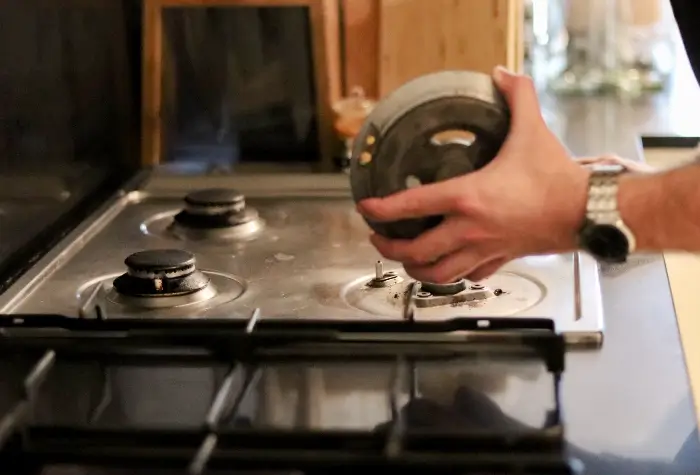
During the colder months in Australia, many households rely on gas heaters to maintain a warm and cosy home environment, making gas heater safety a crucial consideration . While gas heating is known for its efficiency and cost-effectiveness, concerns around indoor use—particularly relating to safety and the need to breathe fresh air, especially if using flued gas heaters—are completely valid.
This guide aims to provide essential safety advice help Australian homeowners understand how indoor gas heaters work, what safety risks to be aware of, how to use them correctly, and when it’s time to call in a licensed professional for a gas safety check .
How Indoor Gas Heaters Work?
Indoor gas heaters function by burning natural gas or LPG (liquefied petroleum gas) to produce heat, unlike outdoor gas heaters which are designed for external use . This combustion process generates warmth but also creates by-products such as carbon dioxide, water vapour, and in some cases, carbon monoxide—a dangerous and potentially fatal gas if it accumulates indoors, contributing to indoor air pollution .
There are two main types of gas heaters, including open flued gas heaters, and space heaters commonly found in Australian homes:
Flued Gas Heaters – These systems include a flue or exhaust pipe that safely channels combustion gases outside the home. Flued heaters are generally wall-mounted and considered the safer option for permanent indoor installation.
Unflued (Portable) Gas Heaters – These release combustion gases directly into the room. While they offer flexibility and ease of use, they require significant ventilation to operate safely, ensuring that you can use a gas heater safely as they can affect indoor air quality if used in enclosed or poorly ventilated spaces.
Potential Safety Risks of Using Gas Heaters Indoors
Although many Australians use gas heaters every winter without issue, they can pose serious risks if not used or maintained properly, including ensuring the gas heater serviced regula . Some of the most common dangers include:
Carbon Monoxide Poisoning –
Often referred to as the “silent killer”, carbon monoxide (CO) is colourless and odourless, making it difficult to detect without specialised alarms. Inhalation in high doses, often due to carbon monoxide leaks, can cause dizziness, nausea, headaches, and in severe cases, can be fatal.
Gas Leaks –
Damaged fittings, hoses, or poorly installed appliances can result in gas leaks. Even a minor leak can present a significant fire or explosion hazard.
Inadequate Ventilation –
Unflued heaters consume oxygen from the air and emit combustion by-products. In a sealed or unventilated room, the accumulation of exhaust gases can reduce air quality, lead to oxygen depletion, and cause breathing difficulties.
Health Complications –
Individuals with asthma, allergies, or other respiratory conditions may be more sensitive to emissions from gas heating appliances, such as nitrogen dioxide and carbon dioxide.
Older homes or properties with ageing gas appliances are particularly vulnerable to these risks, especially if regular servicing hasn’t been carried out by a qualified gasfitter .
Types of Indoor Gas Heaters
Choosing the right gas heater for your space is key to maintaining a safe environment:
Flued heaters
Flued heaters are safer for enclosed areas because they remove combustion by-products through a flue or vent. These are ideal for bedrooms, living rooms, and other spaces where heaters will be used for extended periods.
Unflued heaters
Unflued heaters are typically cheaper and portable, but they should never be used in bedrooms, bathrooms, or small sealed rooms, unlike outdoor gas heaters which are designed for external use . Adequate ventilation is essential, which usually means keeping a window or door open during use to disperse combustion products .
Balanced flue heaters
Balanced flue heaters draw air from outside and expel combustion gases externally, are considered among the safest choices for modern, airtight homes.
Australian Safety Standards and Legal Requirements
Gas appliances used indoors in Australia must meet strict safety standards and be installed or serviced only by licensed professionals. Relevant standards include:
AS/NZS 5601 – This standard governs gas installations, including safety measures, clearances, and ventilation requirements.
AS 4553 – Specifies performance and safety standards for gas space heaters.
Certification requirements – All gas heaters must be certified for use in Australia by a recognised body.
In most states and territories, it is illegal to install, modify, or service gas appliances without a licensed gas fitter. Additionally, landlords are often required by law to ensure heaters in rental properties are safe and compliant.
Tips for Safe Indoor Use of Gas Heaters
To keep your home safe during the heating season, consider the following precautions:
Install carbon monoxide alarms in rooms where gas heaters are used, especially in bedrooms or enclosed areas.
Ensure proper ventilation by keeping windows slightly open while the heater is running, especially if using an unflued model.
Service your gas heater regularly, at least every one to two years. Annual servicing is recommended for older units.
Use heaters approved for indoor use only. Never bring outdoor gas appliances (such as patio heaters or BBQs) indoors.
Follow manufacturer instructions for installation, use, and maintenance, including the installation of visual and audible alarms for safety .
Signs Your Gas Heater May Be Unsafe
If your gas heater is not working properly or showing any of the following signs, it may pose a safety risk, including potential exposure to carbon monoxide :
- Yellow or flickering flames instead of steady blue ones
- Soot stains or discolouration on nearby walls or the heater
- Unusual smells, particularly a gas odour or burning scent
- Persistent condensation on windows or walls
- Headaches, nausea, or dizziness after using the heater
- Pilot light frequently going out or struggling to stay lit
If any of these signs occur, stop using the heater immediately and contact a licensed gas fitter for inspection.
When to Call a Licensed Gas Fitter
A licensed gas fitter should always be consulted for:
- Installing a new gas heater
- Moving or replacing an existing heater
- Performing routine servicing and maintenance
- Conducting carbon monoxide testing
- Repairing or inspecting appliances following unusual operation
Only professionals with the proper accreditation are permitted to carry out these services under Australian law. Attempting DIY repairs or installation is not only illegal—it’s highly dangerous.
Alternatives to Gas Heaters for Indoor Heating
If you’re concerned about the safety or environmental impact of gas heaters, there are several effective alternatives:
- Reverse-cycle air conditioners – Provide both heating and cooling, are energy-efficient, and do not produce indoor emissions.
- Electric panel heaters – Suitable for small spaces and safe for use in bedrooms or bathrooms.
- Hydronic heating – Uses hot water circulated through pipes; efficient, silent, and clean, though installation can be costly.
Electric options are also ideal for homes using solar panels or those looking to reduce reliance on gas.
Frequently Asked Questions (FAQs)
Is it safe to have a gas heater on in the house?
Yes, if the flued gas heater is approved for indoor use, properly maintained, and operated with appropriate ventilation.
Do you need ventilation when using a gas heater?
Absolutely. All indoor gas heaters require some level of ventilation for their efficient operation, particularly unflued models which release combustion gases directly into the room, ensuring there is enough fresh air.
Are gas heaters safe for indoors?
They can be safe when used correctly and in line with Australian standards. Flued heaters are generally considered the safest option for long-term indoor use.
Do you need to open a window when using a gas heater?
Yes, especially when using unflued gas heaters. Even a small opening ensures fresh air circulation and reduces the risk of gas or carbon monoxide build-up.
Final Thoughts
Gas heaters are a trusted heating option for many Australian households—but only when used with care and in accordance with safety guidelines to prevent indoor air pollutants and pollution. Understanding the type of heater you have, the importance of ventilation, and the need for regular servicing can significantly reduce the risk of injury or illness when gas heaters are correctly installed.
If you’re ever unsure about the safety or operation of your gas heater, don’t hesitate to consult a licensed gas fitter. Your safety and peace of mind are worth it.

Loading...