



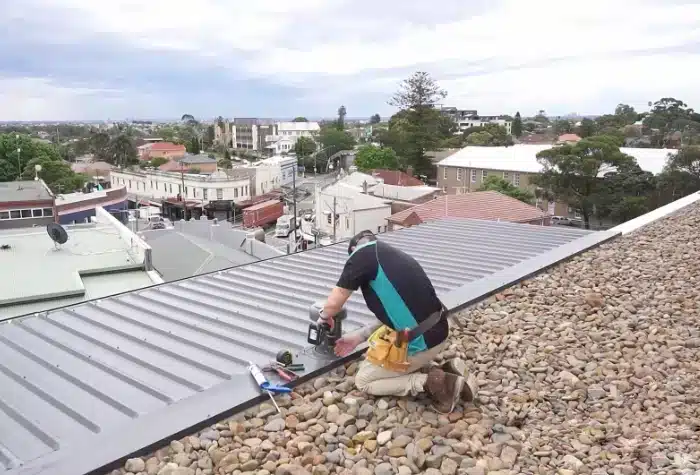
Roof leaks are one of the most common yet troublesome issues faced by Australian homeowners. Whether caused by age, storm damage, or wear and tear, the cost of repairing a small roof leak can quickly lead to serious structural and health issues if not addressed promptly. This comprehensive guide outlines how to identify, temporarily fix, and prevent roof leaks, and when it’s time to call in a licensed professional.
Common Causes of Roof Leaks in Australia
Understanding what leads to a small leak is the first step in preventing and resolving them. In Australian homes, typical causes include missing shingles :
- Cracked or broken roof tiles, often due to weathering, falling branches, or people walking on them incorrectly
- Rusted or corroded metal roofing, particularly in coastal areas where salt air accelerates deterioration
- Damaged flashing, which fails to properly seal the junctions around chimneys, skylights, or roof valleys
- Blocked or overflowing gutters, which prevent proper drainage and allow water to back up under roofing materials
- Compromised roof penetrations, such as vents, antennae mounts, or solar panel fixtures
- Wear and tear following storms, including high winds, hail, or heavy rainfall, which can dislodge roofing materials or force water into previously sealed areas
Many of these issues, including potential mold growth, may remain hidden until significant water ingress occurs, especially in older homes or properties with infrequent roof inspections.
How to Identify the Source of the Leak
Pinpointing the origin of a roof leak can be tricky, as water often travels before showing up inside the home. Look for the following interior signs:
- Water stains or discolouration on ceilings or walls
- Mould, mildew, or a musty odour
- Sagging plasterboard or bubbling paint
- Audible dripping sounds during or after rain
Externally, conduct a visual inspection of the roof (from the ground or a safe height) and check for:
- Missing, cracked, or slipped tiles
- Rust spots, holes, or gaps in tin or metal sheeting
- Dislodged flashing or seals around roof penetrations
- Overflowing gutters or downpipes
- Tree branches resting on or scraping the roof
It’s important to inspect during dry weather if possible, as wet surfaces can be extremely hazardous. Use binoculars or a drone for high areas, and avoid climbing on the roof unless you’re experienced and confident in your footing.
Temporary Fixes You Can Try Yourself
If a professional roofer can’t attend straight away and there’s a small leak in the roof causing water ingress actively damaging your home, there are a few short-term measures you can take:
Roofing tape or waterproof repair tape:
Apply this to small cracks, seams, or joins where water may be entering
Roof sealant or silicone:
Ideal for patching small holes or resealing around roof penetrations
Tarps or plastic sheeting:
Secure a tarp over the affected area using timber planks and weights to create a temporary barrier against rain
Bucket placement and ceiling puncture:
If the ceiling is bulging, you can relieve pressure by gently puncturing the lowest point and placing a bucket underneath to catch water
Always prioritise safety. Do not access the roof during high winds, rain, or if the surface is visibly slippery. Use a stable ladder and wear non-slip footwear.
Fixing Leaks in Tiled Roofs
Tiled roofs, which can include damaged shingles, are common across many Australian homes and are generally durable but vulnerable to cracking and shifting over time.
To repair:
Identify the damaged tile:
Look for cracks, breaks, or displaced sections.
Lift the surrounding tiles carefully:
Use a flat pry bar or similar tool to avoid further damage.
Replace the broken tile:
Make sure the replacement matches in type and size, and fits snugly.
Inspect the underlay (sarking):
Torn or deteriorated sarking can allow water penetration even if tiles appear intact.
Check ridge caps and pointing:
Cracked mortar or lifted ridge tiles can cause water to seep in at joins and valleys.
Fixing Leaks in Metal or Tin Roofs
Metal roofs, including Colorbond and galvanised steel, are popular for their durability and weather resistance. However, they can be prone to leaks caused by missing or damaged shingles.
Steps to fix and repair:
Locate rusted or corroded sections:
These should be either patched or replaced.
Seal small holes with roofing sealant or silicone:
Apply liberally and ensure the area is clean and dry beforehand.
Tighten or replace loose screws and washers:
Water can penetrate under loose fasteners.
Use roofing patches or aluminium tape:
These are effective short-term fixes for small to medium holes or worn joins.
If corrosion is widespread or water damage is significant, a full panel replacement may be necessary.
Checking Flashing, Gutters, and Roof Penetrations
Flashings and clogged gutters, which can be checked using a water test, are some of the most overlooked elements of a roof system, and they can sometimes lead to noticeable water spots but they’re often the culprits behind persistent leaks.
Flashings:
Inspect for cracks, rust, or lifting around chimneys, skylights, and junctions. Reapply roofing cement or replace compromised sections.
Gutters:
Ensure they are clean and properly sloped. Blockages can cause water to pool and overflow into roof cavities.
Roof penetrations:
Check the sealant or boots around vents, exhaust pipes, solar panels, and antennae. Replace degraded rubber seals or reapply waterproofing as needed.
Inspect these areas after storms and during routine maintenance to detect early signs of failure.
When to Call a Licensed Roof Plumber or Contractor
While some repairs are manageable for experienced homeowners, others are best left to the professionals. You should call a licensed roofing plumber or contractor if:
- The leak persists despite DIY repairs
- There’s structural damage to the roof frame, insulation, or ceiling
- The leak is near electrical wiring or light fittings
- You suspect asbestos (often present in older cement sheeting)
- Accessing the roof safely is not possible due to height, pitch, or weather
- The problem involves widespread rust, corrosion, or tile breakage
Licensed tradespeople ensure that materials are installed correctly and that repairs meet Australian Standards (AS 3500 and AS/NZS 4020) and local building codes, and can issue compliance certificates where required.
Tips to Prevent Future Roof Leaks
Preventative maintenance is the key to avoiding water damage and costly repairs down the line. Here are some steps you can take:
- Schedule regular roof inspections, especially before and after storm season
- Clean your gutters and downpipes at least twice a year, or more often in leafy areas
- Trim overhanging branches to prevent damage from falling limbs and leaf build-up
- Check flashings and roof penetrations annually and reseal if necessary
- Ensure proper roof ventilation, which helps regulate temperature and reduce condensation buildup
- Install gutter guards to help prevent leaf and debris accumulation
- Monitor your ceiling and roof space for signs of moisture, staining, or mould
A simple maintenance schedule can significantly reduce the likelihood of roof leaks and prolong the life of your roofing system.
Frequently Asked Questions (FAQs)
Can I fix a roof leak myself?
Yes, for minor leaks or visible damage, temporary fixes are possible. However, for complex or persistent issues, always consult a licensed roofing professional.
What is the best solution for roof leakage?
A permanent fix depends on the cause—replacing damaged tiles or sheeting, resealing flashings, or installing new underlay. Professional assessment ensures long-term resolution.
What is the best thing to seal a leaking roof?
Roofing sealants, bitumen-based products, or waterproof silicone can be effective for small cracks or seams, especially during heavy rain . Always ensure the surface is dry and clean before application.
How do I fix water coming through my roof?
First, contain the leak inside using buckets and towels. Then identify the source and apply temporary solutions such as a watertight seal with sealant or a tarp. Contact a roofer for long-term repair.
How do I stop my roof from leaking?
Regular inspections, keeping gutters clean, sealing gaps, and addressing minor issues before they worsen are your best defence against leaks; identifying the exact location of the problem is essential. knowing how to fix these problems is essential .
How to fix a leaky roof without replacing it?
Many leaks can be repaired without full replacement—by sealing joints, replacing individual tiles or sheets, or patching small holes as a cost effective solution .
Conclusion
A leaking roof can escalate quickly from a minor nuisance to a major repair bill for your house . Fortunately, with a clear understanding of the causes, signs, and solutions—plus a commitment to regular maintenance—you can protect your home from water damage year-round. Whether it’s a tiled roof, tin roof, or combination system, early detection and timely repairs are key, especially in such cases where damage can escalate quickl . When in doubt, don’t hesitate to seek help from a qualified roofing professional who understands Australian conditions and regulations.

Loading...