


If water pools around your home and stays stagnant for days after heavy rain, the problem is due to the composition of the soil layers below the ground. Sydney’s clay-heavy soil holds water long after a downpour, with nowhere for it to go. That trapped moisture causes damp areas, soft ground and cracks, damaging a home’s foundation in the long run. A proper subsoil drainage system moves the excess groundwater away, minimising costly expenses later. Here, we’ll explain everything you need to know about subsoil drainage and the type of plumbing you need to solve any problems related to it.
What is Subsoil Drainage?
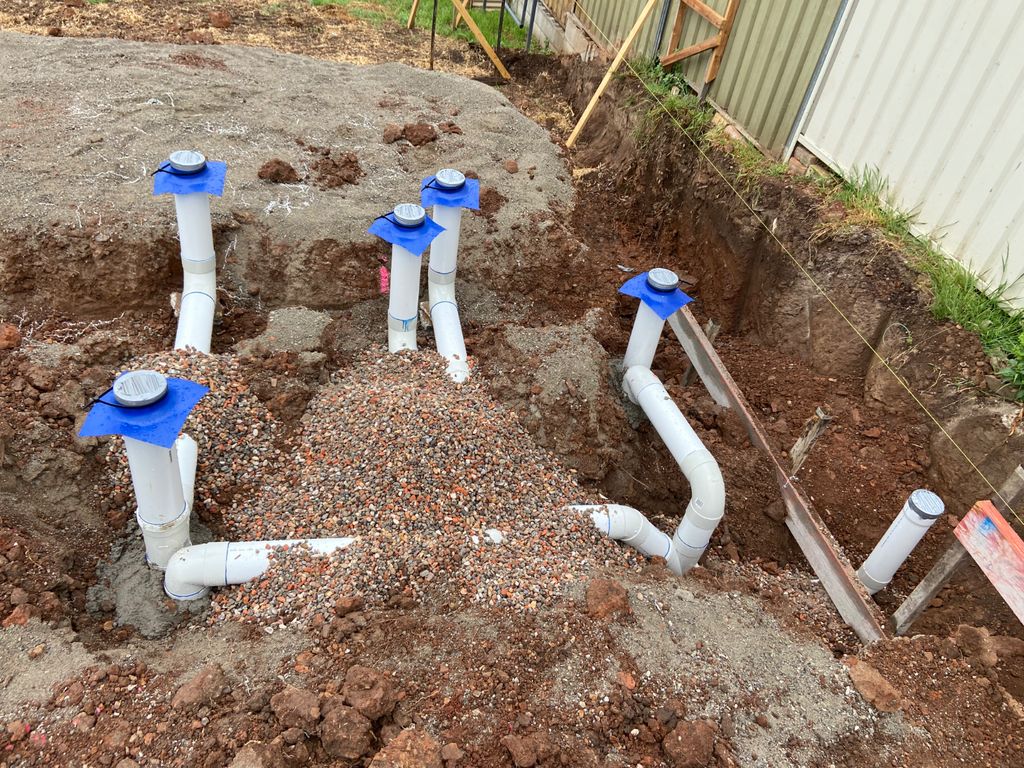
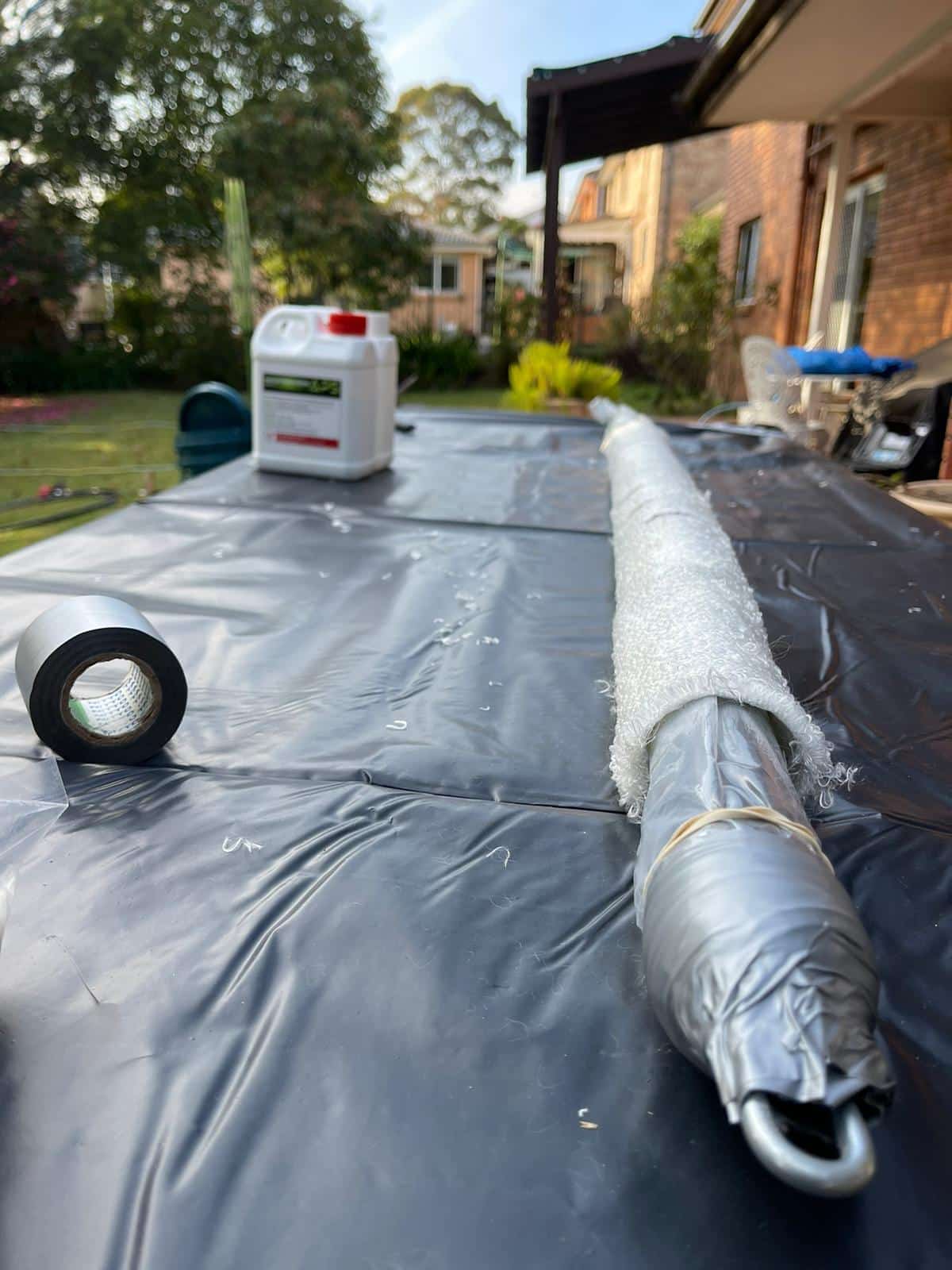
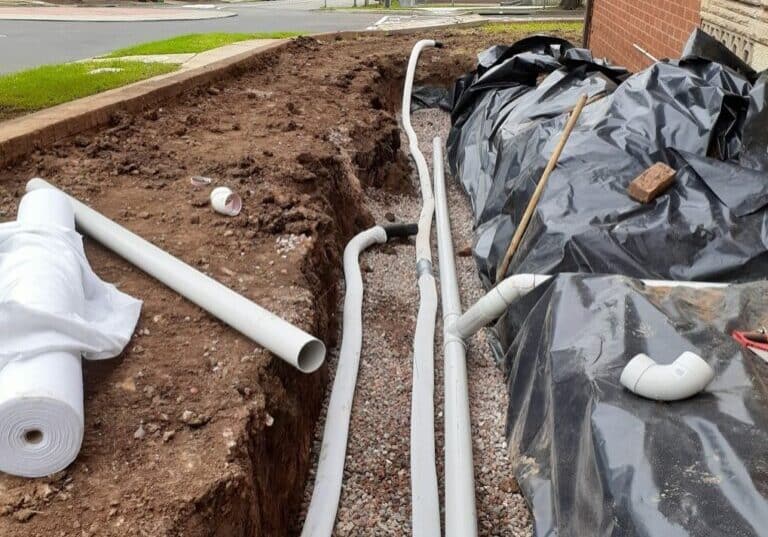
Subsoil drainage or subsurface drainage, is an underground system to remove excess water below the ground before it damages your foundation, retaining walls or surrounding soil, weakening the structural integrity of your property. Subsoil drainage systems use a slotted pipe or perforated pipes laid in a gravel-filled trench, which allows water to flow easily through the pipes and discharge to a safe location.
Why Does Water Build Up Under the Ground?
The water builds up below the surface after rain due to the following reasons:
Clay Holds the Water: Sydney’s soil type is primarily clay-dominant, and so after heavy rains, it retains the water for longer, raising moisture content, causing your yard or lawn to feel like a sponge even in sunny weather.
Impermeable Layers: Some areas have harder clay content or rock layers underneath. Water does seep in, but as it moves downwards, it hits a barrier. This trapped excess groundwater pushes against the retaining walls and other natural and structural components, leading to water intrusion in your property.
Heavy Rainfall: After short, intense bursts of heavy rainfall, the soil gets inundated with water. So surface water and subsurface water levels rise quickly, and homeowners have to face flooding issues around low-lying areas of the block.
Site Construction: Driveways, paving, retaining walls, compacted soil, and poor grading change where water flows. A small change in levels quietly turns a “fine” yard into a recurring drainage issue.
Warning Signs Your Property Needs Subsoil Drainage
To identify if you need subsoil drainage, take a walk around your property and look for these signs:
- Water pools near the house even if gutters aren’t blocked on the surface
- Ground stays soggy for several days after rainfall
- Damp smells in the lower floors or the basement
- New cracks visible on the walls, paths, or brick joints
- Soil erosion indicated by bare spots in garden beds
- Moss or algae growth in areas that stay persistently wet
- Plants yellowing or dying in a damp region
- Stagnant water behind retaining walls or along sloped edges
- The lawn feels soft and sinks when you walk over it
- Downhill parts of the block stay wet for a longer time (days, or even weeks)
How Does a Subsoil Drainage System Work?
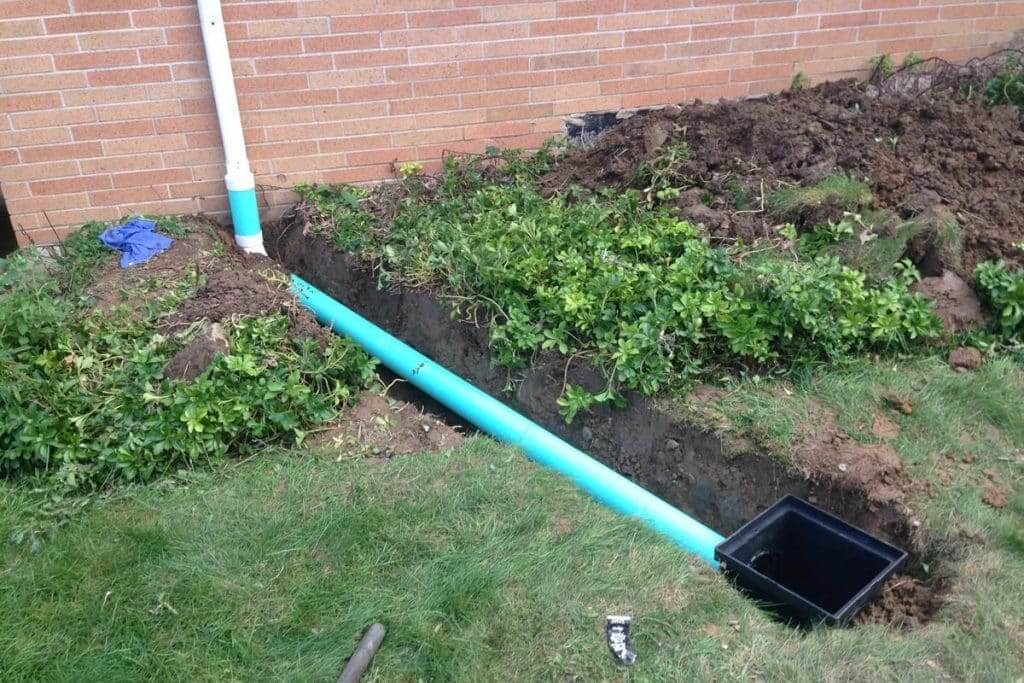
- A trench is dug to a precise depth and slope. The pipe must be installed below the water table, because it needs to draw groundwater towards itself. If you get the depth wrong, the system simply won’t work.
- Then the trench is filled with gravel or another porous material, making it easy for water to seep in compared to thicker clay soil. The gravel layer speeds up the flow and reduces pressure building in the soil.
- Inside the trench, an underground drainage pipe is laid down on the gravel bed, with an inclined angle with small slots or holes throughout. The trench is then filled back with soil and more gravel so the pipe is packed on all sides.
- The openings in the pipe let the subsurface water enter from all sides and carry it away to a local council stormwater connection. Perforated pipes underground like this are common in all residential areas.
Types of Subsoil Drainage Systems
Every site is built on a slightly different topography and has a different layout. These are the 4 most common types:
1. French Drain (Ag Drain)
A French drain combines slotted pipes laid in trench having gravel layer, allowing subsurface water to permeate the surrounding soil. Suitable for standard yards or footings with recurring excess moisture but requires excavation and a clear discharge path.
Gravel mole drains are a variation using similar principles, ideal for standard yards or footings with recurring excess moisture. Suitable for most residential properties but requires excavation and a clear discharge path.
2. Interceptor Drain
It catches groundwater before it reaches the house or retaining walls. Works well on sloping sites where water funnels and collects into one affected area. But it only intercepts water from one direction and can’t deal with water rising from below.
3. Herringbone or Grid Layout
A herringbone layout is a complex installation where several smaller drainage pipes connect with one main line. Ideal for large areas like farms, sports fields, gardens, or golf courses facing persistent water pooling, and not for smaller residential blocks.
4. Geocomposite
Geocomposite or sheet drains are narrow drainage panels often used behind retaining walls or in tight spaces where a full gravel layer is harder to fit. They help redirect water while taking up less room, though they may not carry the same water volume as a traditional gravel-and-pipe system.
5. Mole Drainage
Traditional mole drainage creates underground channels by pulling a bullet-shaped blade through clay soil, forming pathways for water without pipes or gravel. It’s common on farms and rural blocks but less suited to urban Sydney properties with existing structures and limited space.
Conventional gravel systems are the lowest-cost starting point for most of the Sydney homes. Geocomposite and pumped solutions suit sites with difficult access, very tight spaces, or where gravity drainage is not possible.
Where Should Subsoil Drainage Be Installed?
Subsoil drainage should be installed where water gets naturally accumulated. These are some of the most common placements:
- Along the lower side of the house near the home’s foundation
- Behind retaining walls where moisture builds up in the ground
- At the bottom of sloping yards where surface water settles
- Around persistently wet lawn areas or a soggy backyard
- Near paved edges that trap excess water against the soil
Avoid running subsoil drainage pipes through major tree root zones, and do not place them below the natural water table unless the whole drainage system has been designed for that condition. Another thing to consider is that retaining walls are a solid barrier, and so they have a fixed load capacity. Without a subsoil drainage system, groundwater pressure builds steadily and causes cracking, or worse, full structural failure.
Benefits of Subsoil Drainage for Your Home
When excess water keeps sitting in your backyard, subsoil drainage solves several important problems at once. Below are the ones worth noting:
Protects Your Foundation
Subsoil drainage stops excess moisture and groundwater from sitting around your property foundation, which causes soil to expand, soften, and shift, which otherwise damages the footing along with other structures.
Reduces Pressure on Retaining Walls
Subsurface water adds lateral pressure behind retaining walls and beneath paved areas, leading to leaning, separation, or long-term structural issues. Proper drainage reduces that pressure before visible damage starts.
Eliminates Standing Water
Subsoil drainage removes standing water, muddy patches, and soggy backyards, making your property usable after rain and reducing the risk of ongoing water damage around low-lying areas.
Supports Healthier Living Environment
Damp ground and persistent water intrusion cause indoor mould growth. NSW Health warns that mould worsens breathing problems, asthma, and allergies. Proper drainage removes the moisture source.
Improves Soil Health and Property Value
Better drainage reduces waterlogging, supports increased aeration, and keeps your block healthier overall. Ongoing maintenance is straightforward compared to years of unchecked moisture damage.
Subsoil Drainage vs Surface Drainage: What’s the Difference?
The core difference is simple: surface drainage removes water visible on top of the ground, like driveway grates or yard pits that clear heavy rainfall quickly. Subsoil drainage removes water hidden beneath the surface; think slotted pipes laid in gravel, besides footings or behind retaining walls.
You need both systems working together. Surface drainage stops water pooling on the top, while subsoil drainage handles hidden moisture underground
How Much Does Subsoil Drainage Cost in Sydney?
A standard residential subsoil drainage installation costs between $3,500 and $8,000. Pricing ranges between $150 and $500 or more per linear metre, depending on the size and complexity of the job. A basic French drain starts at around $2,500, while a full property system goes beyond $12,000.
The price is determined considering many factors. Sydney’s clay-heavy soil often requires deeper excavation, while tight side passages, sloped blocks, concrete driveways and restricted access increase labour efforts. But, if there’s structural damage, it is more expensive to fix than installing the right drainage from the start.
Contact The Clean Plumber for a $0 call-out inspection and a clear, fixed-price quote for your property.
Do I Need A Licensed Plumber For Subsoil Drainage?
Yes, subsoil drainage work in NSW should always be carried out by a licensed plumber because mistakes done in this job lead to bigger structural problems later. And if an inexperienced plumber does the job, they may not place the slope correctly or use poor-quality materials that break down quickly.
In NSW, subsoil drainage must comply with AS/NZS 3500.3 requirements plus the Plumbing and Drainage Act 2011 if it connects with stormwater infrastructure. Unlicensed work voids insurance, and councils can reject approvals or impose heavy penalties for non-compliant installations.The Clean Plumber’s licensed Sydney plumbers will assess the property, identify the right drainage solution for your affected area, and provide a fixed-price quote with no call-out fee. Every work we do is backed by a lifetime labour warranty. Contact us for a free property inspection today or book an appointment online.