

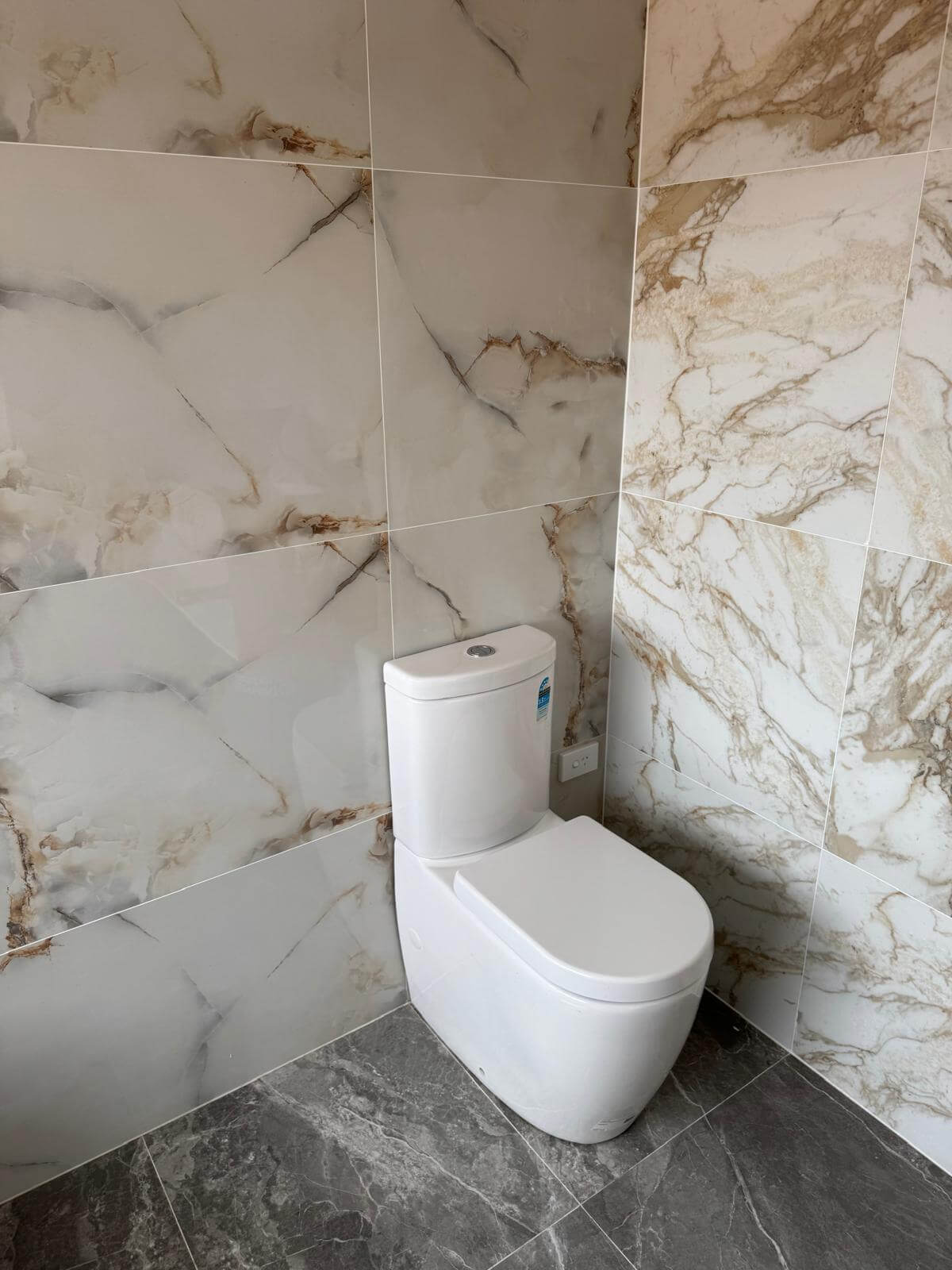
Toilet clogs are an inevitable household issue, especially when dealing with a toilet drain, making it easier to clear clogs and unclog toilet with baking soda. . While the first instinct might be to reach for harsh chemical cleaners, many Australian homeowners are now opting for safer, more eco-friendly methods. One such popular approach is the use of baking soda and vinegar — a simple, natural, and cost-effective solution that can often clear minor blockages without damaging plumbing or harming the environment.
Why Use Baking Soda to Unclog a Toilet?
Baking soda, also known as bicarbonate of soda, is a versatile household product that can be used to unclog a toilet when combined with vinegar, creating a fizzy chemical reaction., creating a fizzy chemical reaction that can help break down soft blockages in drains and clogged toilets.
Here’s why many Australians prefer this method to prevent water damage related to toilet issues :
Chemical-free:
Avoids exposure to harsh commercial drain cleaners that can corrode pipes, damage septic systems, or produce harmful fumes in the toilet .
Environmentally friendly:
Suitable for homes that use greywater systems or care about reducing their chemical footprint when dealing with a clogged toilet .
Gentle on plumbing:
Especially beneficial for older homes with ageing pipework, especially those with a toilet drain .
Budget-conscious:
Uses inexpensive ingredients already found in most pantries.
This method works best for mild to moderate clogs, particularly those caused by excess toilet paper, organic waste, or slow-draining toilets, making it effective for minor clogs, including a blocked toilet caused by excess material, and unclogging a toilet with baking soda . .
What You’ll Need Before You Start
Before attempting the baking soda and distilled white vinegar method, make sure you have the following:
- 1 cup of baking soda
- 2 cups of white vinegar
- A bucket of hot (not boiling) water
- Rubber gloves
- Toilet brush or plunger (optional but helpful)
- Old towels or rags (to protect the floor from potential overflow)
These are common items found in most Australian households, making this an accessible fix in a pinch, especially if you need to protect your bathroom floor .
Step-by-Step Method Using Baking Soda and Vinegar
This method is straightforward and safe when done carefully, leveraging the fizzing action of baking soda and vinegar . Follow these steps:
Clear the bowl if needed:
If your toilet bowl is filled to the brim, remove some water using a cup and bucket so the ingredients won’t immediately overflow.
Pour in the baking soda:
Tip 1 cup of baking soda directly into the toilet bowl.
Slowly add vinegar:
Carefully pour in 2 cups of white vinegar after you add soda into the toilet bowl, and follow it with hot water for better results . . The mixture will begin to fizz and bubble — this is normal and part of the chemical reaction.
Let it sit:
Allow the mixture to sit undisturbed for at least a few minutes, but ideally 30 minutes. For more stubborn clogs, let it sit overnight if possible.
Add hot water:
After the fizzing subsides, gently pour a bucket of hot (not boiling) water into the bowl. The hot water helps loosen debris and push it through.
Test the flush:
Try flushing the toilet. If water drains away smoothly, the clog is likely cleared, but if not, consider using a plunger .
Note: Avoid using boiling water, especially if your toilet is porcelain, as it may crack due to thermal shock.
What to Do if It Doesn’t Work the First Time
Don’t worry if the first attempt doesn’t fully resolve the issue. You can use a plunger as an optio :
Repeat the process once or twice, giving it time between applications.
Use a toilet plunger to assist in dislodging any remaining blockage after the solution has had time to work.
Consider alternative natural methods (see below) before resorting to chemical options or calling a professional plumber .
If the water level rises alarmingly or if you notice gurgling sounds, it could point to a deeper or more serious obstruction where you may feel resistance during flushing, which might break the flow . in the pipes or sewer line.
Safety Tips When Using This Method
Even though baking soda and vinegar are natural alternatives to chemical drain cleaners , it’s still important to take safety precautions, especially when using dish soap :
Wear rubber gloves to protect your hands from splashbacks or contaminated water.
Lay down towels or old rags around the base of the toilet to catch any overflow.
Avoid combining this method with chemical cleaners or dish soap that could react negatively . If you’ve already used a commercial product, wait several hours or flush the toilet multiple times before using baking soda and vinegar.
Always supervise the process and avoid flushing repeatedly if the water level remains high.
When to Avoid Using Baking Soda for Clogs
There are situations where this natural method and other home remedies may not be the best choice, particularly when dealing with human waste :
Severe or persistent blockages:
If your toilet is completely backed up or nothing drains, it’s unlikely baking soda will be strong enough.
Foreign objects:
If a child’s toy, sanitary item, or other non-flushable has been dropped into the toilet, you’ll need physical removal or professional assistance.
Older or delicate plumbing systems:
While gentler than chemical cleaners, it’s still best to proceed cautiously with vintage plumbing.
Homes with septic systems:
While baking soda and vinegar are generally safe for septic tanks in moderation, frequent use could disrupt the balance of bacteria.
Other Natural Alternatives You Can Try
If baking soda and vinegar don’t do the trick, here are some other DIY solutions to consider that can help to clear clogged toilet effectively. :
1. Hot Water and Dish Soap
- Pour half a cup of dishwashing liquid into the toilet, followed by a bucket of hot (not boiling) water.
- Let sit for 15–30 minutes before flushing.
2. Epsom Salts
- Epsom salts can create a fizzing reaction similar to baking soda and vinegar. Drop a few tablespoons into the bowl and follow with hot water.
3. Toilet Auger (Plumbing Snake)
- A more hands-on option, useful for tougher clogs lodged deeper in the pipe.
Each method has its pros and cons, so choose based on the severity of the blockage and what’s available to you at home.
When It’s Time to Call a Licensed Plumber
Some toilet clogs simply can’t be solved with DIY methods, and it’s advisable to consult a professional plumber or to use a plumbing snake or a plunger to resolve the issue. if: It’s time to contact a licensed plumber if:
The toilet repeatedly clogs or backs up despite treatment
Water backs up into the sink, tub, or shower (a sign of a main line blockage)
You hear strange gurgling or bubbling noises in the plumbing
There’s a persistent foul smell indicating a possible sewer issue
You’re unsure what’s causing the problem
A licensed plumber can use a cup plunger, along with diagnostic tools such as drain cameras or hydro-jetting equipment to safely and efficiently resolve more serious issues — all while complying with Australian plumbing standards (AS/NZS 3500).
Frequently Asked Questions (FAQs)
Does baking soda help unclog toilets?
Yes, baking soda combined with vinegar can help break down organic material and loosen mild clogs in toilets, but sometimes you might need a plunger .
How long do I leave baking soda in the toilet?
Let the baking soda and vinegar mixture sit for at least 30 minutes, though longer (up to overnight) may be more effective for stubborn clogs.
How do you unblock a severely clogged toilet?
Severe clogs often require mechanical methods like a plunger or auger. If these don’t work, call a licensed plumber for professional assistance.
Is it safe to put baking soda and vinegar in the toilet?
Yes, it’s safe and much gentler on your plumbing than chemical cleaners. Just ensure the toilet isn’t already full, and don’t mix it with other cleaning agents.
Why not use baking soda and vinegar in the drain?
While often recommended, their effectiveness in sink or shower drains is limited. The fizz may not travel far enough into deeper pipes to resolve blockages, especially if water flow is restricted in a clogged toilet .
Final Thoughts
Using baking soda and vinegar, particularly one cup of each, is a tried-and-tested natural method for clearing toilet clogs to address minor toilet blockages without making a mess — ideal for environmentally conscious Australian households. While not a cure-all, it’s a great first line of defence to help prevent future clogs, as one method among several. before turning to more aggressive solutions. Remember, regular maintenance and prompt attention to clogs can prevent plumbing emergencies and costly repairs down the line.